As They Are
Photography has always had a complicated relationship with beauty.
For as long as we’ve had cameras, photographers have searched for flattering angles, soft light, and careful posing. Today, digital retouching goes even further. Skin becomes smoother. Bodies become leaner. Tiny details disappear with the click of a button. Over time, we become accustomed to seeing people refined into a version that never really existed.
The result isn’t just an impossible standard. It’s a narrowing of what we recognize as beautiful.
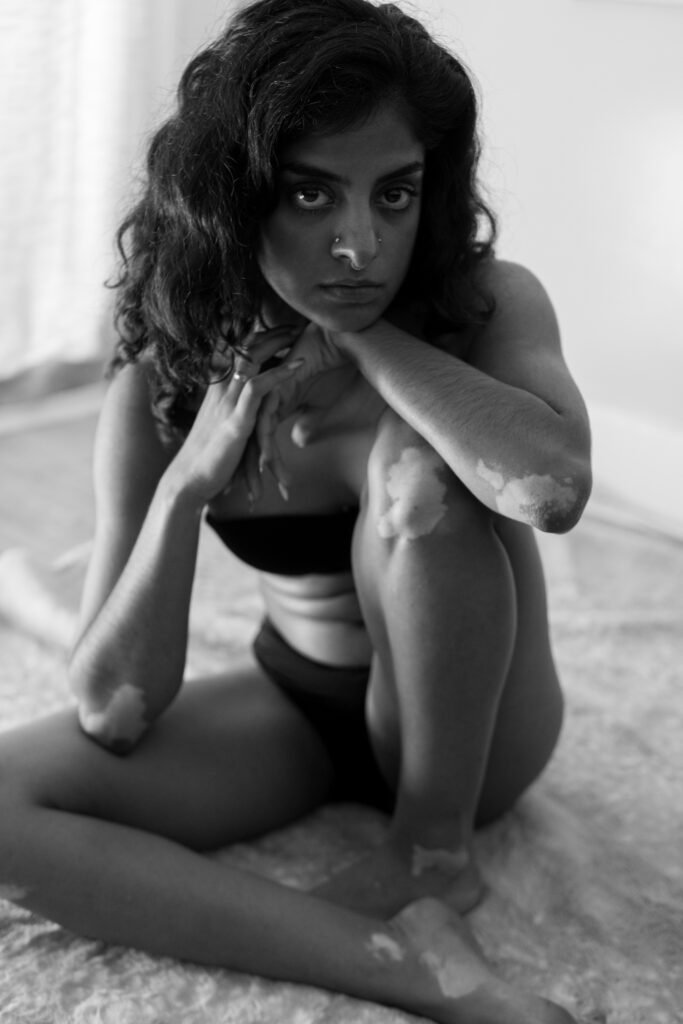
When you spend as much time photographing people as I do, you find a lot more variety than some portfolios would suggest. No two faces are alike. No two bodies are alike. Every person carries something distinctive: a patch of vitiligo, a pattern of freckles, tattoos collected over years, scars, curves, lines, or other features that refuse to fit whatever template happens to be fashionable at the moment.
These aren’t interruptions to beauty. They’re the reason beauty remains interesting.
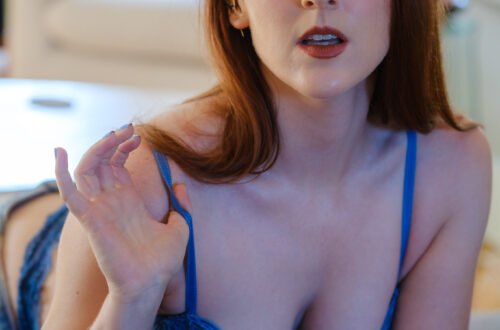
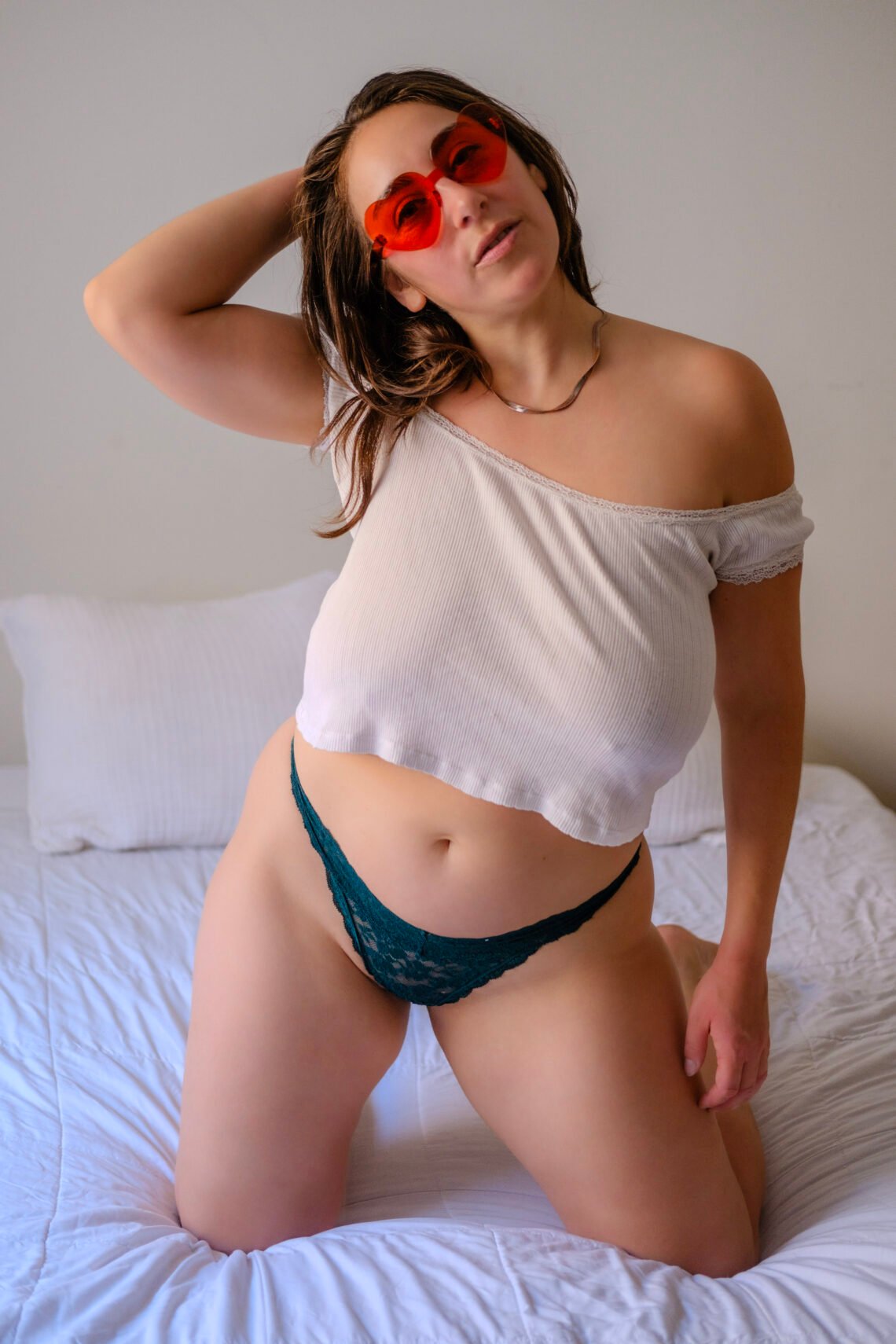
Most of the women featured in Stay Awhile are not professional models. Many have spent little to no time in front of a camera. They come with different backgrounds, different personalities, and different relationships with themselves. They each have their own ways of interacting with the camera. Some love the parts of themselves that stand out. Others are still learning to.
My job isn’t to expose or confront anyone with things that make them uncomfortable. It’s to reveal the natural beauty each subject has just by existing in their own space, in their own skin. The act of being seen is an act of acceptance already.
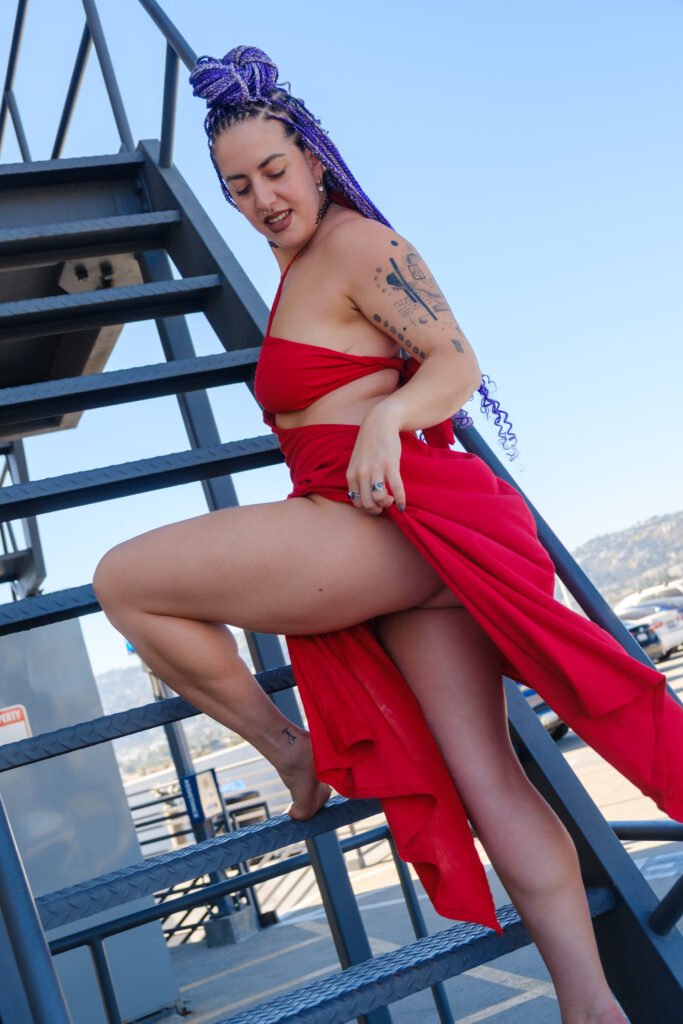
That changes the photos. Instead of chasing perfection, they become studies of individuality. The marks on someone’s skin aren’t distractions. A fuller figure isn’t a compromise. Tattoos don’t need explaining. None of these details exist to make a statement. They’re simply part of the person sitting in front of the lens.
Fashion, advertising, and social media often suggest that beauty can be reduced to a formula. The more people I photograph, the less convincing that idea becomes. The most memorable portraits are rarely the most polished. They’re the ones where someone stops performing and quietly occupies the space as only she can.
There is no single face worth framing. There is no ideal body worth celebrating.
There are only people, each a testament to their individual journeys, experiences, relationships, and choices.
That’s what the camera captures.