Finding the Right Place
A location can be beautiful without being meaningful: a beach at golden hour, an elegant hotel room, a quiet forest, a polished studio. But when you’re planning a portrait or intimate shoot, what looks good is often less important than what purpose the environment serves.
The right location can provide context, introduce a mood, change the subject’s poise, or reveal something about her. In this month’s feature, Aileen and I chose to shoot in a yoga studio she described as her second home. We didn’t choose it for the designs on the walls or the moody natural light. She had a history there. It felt comforting and familiar. The environment was an extension of her own identity, highlighting part of her journey that made her own she is today.
When designing your shoot, start with the person, not the location.
Ask yourself a few questions
Before looking for a place, consider what you actually want the environment to contribute.
What do I want to learn about her?Is the shoot about her personality, her work, her interests, her sexuality, or something else?
Where does she feel most comfortable? A person who is relaxed and safe can express themselves in a way they might not be able in an unfamiliar studio.
Does she have a place that already means something to her? A favorite restaurant, gym, dance studio, park, or hiking trail can provide context that no amount of styling can replicate.
Do I want the environment to explain her or contrast with her? Sometimes the most interesting choice is an incongruous one. A glamorous subject in a warehouse or an intensely professional woman photographed somewhere playful can create tension that makes the photos more interesting.
What opportunities does the location provide? Think beyond basic aesthetics. Does it give you interesting light? Movement? Texture? Privacy? Props? Different rooms or backgrounds?
How much control do I need? Besides privacy, locations provide varying levels of control over light and sound, affecting not only the photos themselves but the ambiance you may be trying to create for yourself and your collaborators.
The Tradeoffs
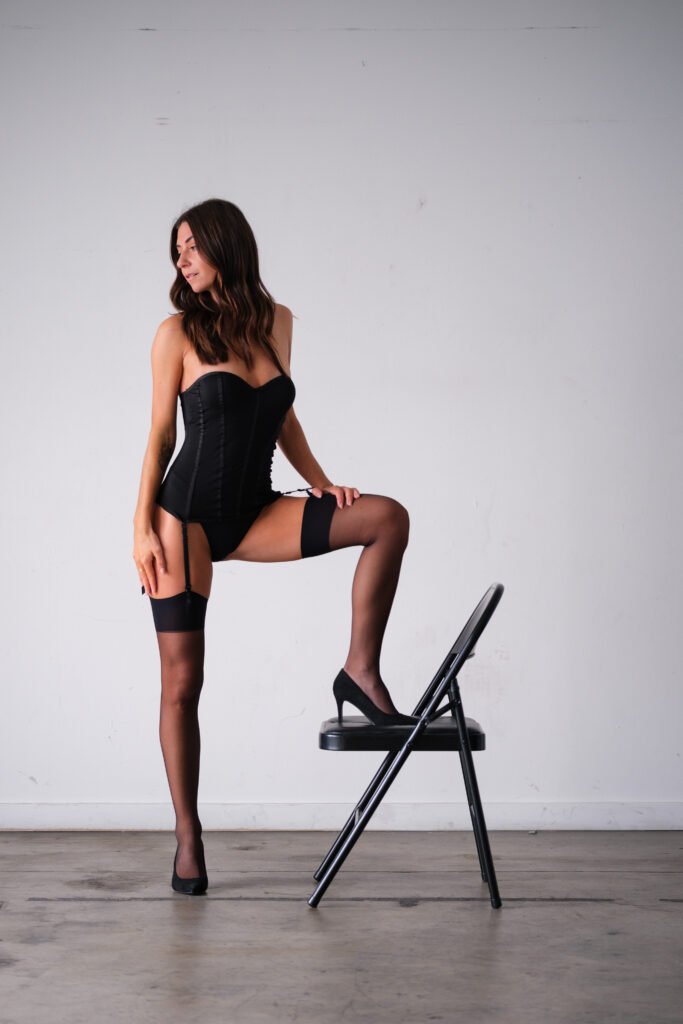
Studio
Strengths: Maximum control over lighting, composition, privacy, and consistency. You can build almost any atmosphere you want.
Limitations: It can lack context. You have to bring all of the styling and direction with you and be very deliberate about how you wield them. There’s little opportunity for organic moments.
A studio is often the right choice when you have a specific vision and the artistic ability to create it from scratch.
Home
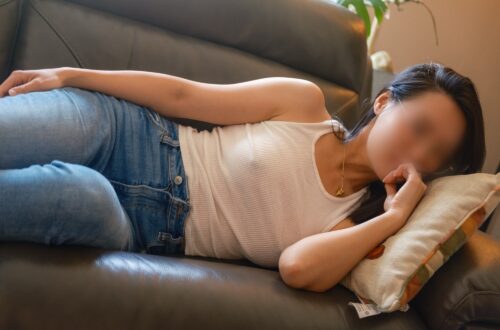
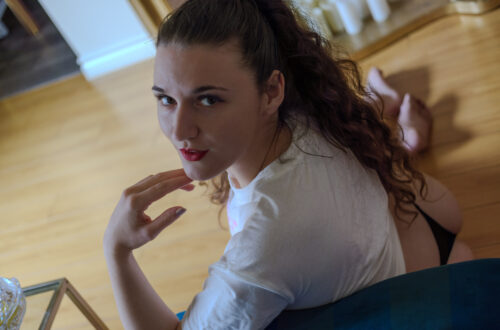
Strengths: Familiarity, privacy, personal details, natural behavior, and an enormous amount of contextual information.
Limitations: Clutter, limited space, potentially stubborn lighting, other occupants, and the possibility that the subject feels too exposed.
Home often feels very intimate and enables a fly-on-the-wall perspective into someone’s everyday life.
Hotel
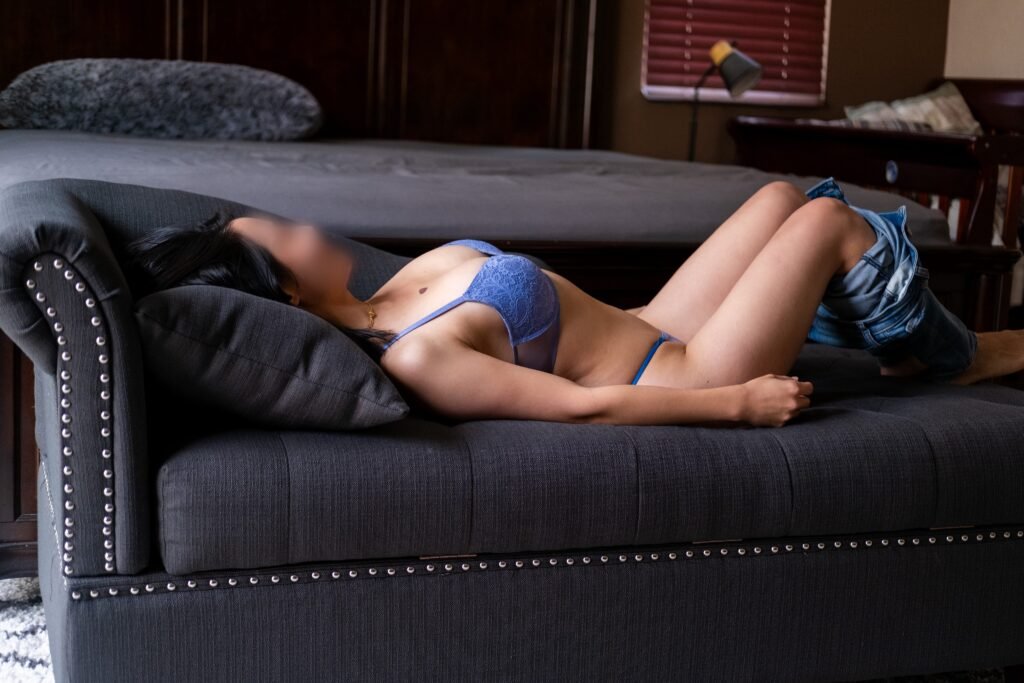
Strengths: Privacy, clean interiors, and a sensual context.
Limitations: Hotels can also feel generic and plain. Its character needs to match the tone of your shoot, whether a dingy hole in the wall from a noir or an elegant suite from a perfume commercial. Without context, it’s just a distraction.
A hotel works particularly well when the shoot is telling the story of a getaway or a tryst.
Outdoors
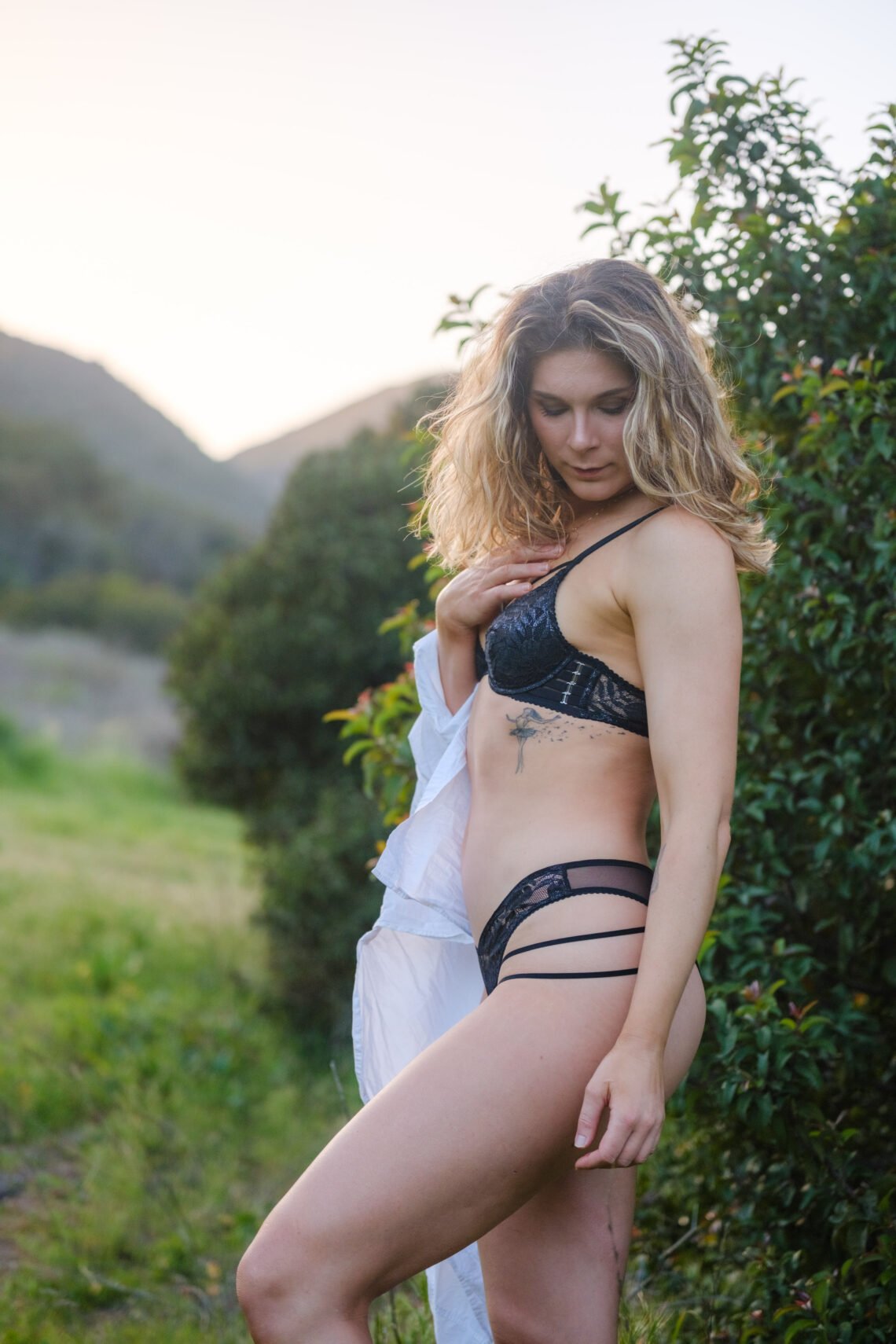
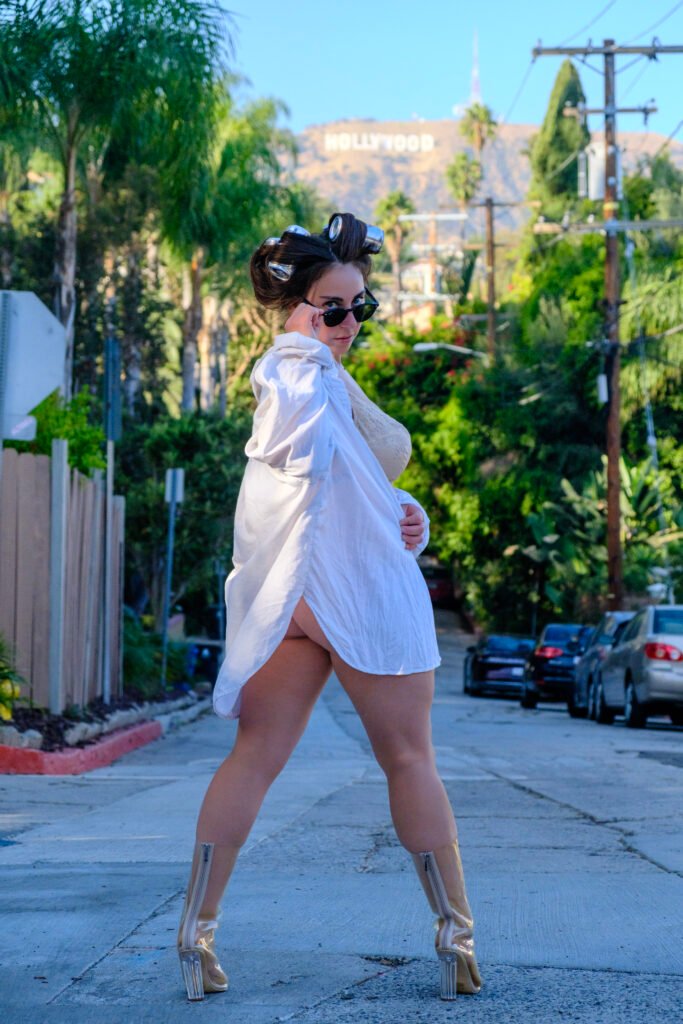
Strengths: Natural light, space, movement, and built-in texture all around.
Limitations: Weather, crowds, changing light, privacy, and possibly permits.
The beach and the forest can both feel “natural,” but they create very different experiences. One can feel expansive and free, the other enclosed and secluded.
Meaningful Place
A yoga studio. A workplace. A favorite bar. A dance floor. A nostalgic neighborhood. Somewhere she goes every week.
Strengths: Context, authenticity, familiarity, and opportunities for natural interaction.
Limitations: Permissions, crowds, limited control, inconvenient hours, and sometimes less-than-ideal photographic conditions.
The style of the shoot may need to be tailored to the location, such as by using a flash or otherwise leaning into the look of a given era or culture.
No Wrong Answer
Like many aspects of your shoot, the choice of location is artistic and ultimately about what you want the photos to say. Sometimes that means entering someone else’s world. Other times, it means taking her somewhere else completely.
The only mistake would be choosing a location just because it photographs well and assuming the rest will take care of itself. Instead, start with the person. Decide what you want to explore about her. Decide what the environment contributes to that goal. Then, find the place that gives you what you need.